
Toe Walking Gait
Conditions We Treat

Toe Walking Gait
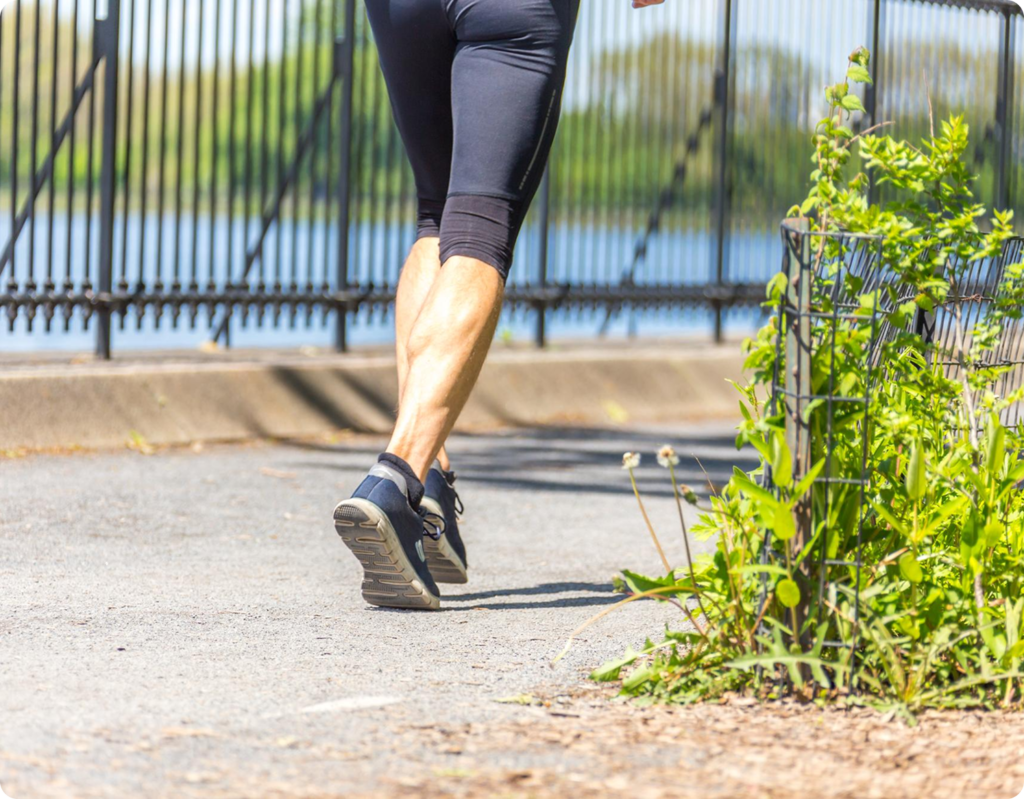
Toe walking gait refers to a walking pattern in which a person walks on the balls of the feet without the heels making normal contact with the ground. It is commonly seen in young children who are learning to walk, but it can also persist into later childhood or appear in adolescents and adults. While occasional toe walking can be harmless, ongoing or habitual toe walking may signal an underlying issue that should be evaluated.
In children, toe walking gait is sometimes idiopathic, meaning there is no clear medical cause. However, it can also be associated with tight calf muscles, shortened Achilles tendons, sensory processing differences, or neurological conditions. Children who toe walk may appear clumsy, tire easily, or complain of leg discomfort as they grow. Over time, untreated toe walking can affect balance, posture, and the normal development of the feet and ankles.
In adults, toe walking gait is less common and often related to muscle tightness, nerve conditions, past injuries, or compensation for foot pain. Adults who toe walk may notice calf strain, forefoot pain, ankle instability, or changes in the way their shoes wear down. Left unaddressed, this gait pattern can contribute to joint stress in the feet, knees, hips, and lower back.
A podiatric evaluation focuses on identifying why toe walking is occurring. This may include assessing muscle flexibility, joint range of motion, foot structure, strength, and walking mechanics. Treatment depends on the cause and may involve stretching and exercise programs, custom-orthotics, gait training, night splints, or other conservative options. In more persistent cases, advanced treatments may be recommended to improve function and comfort.

If toe walking gait is frequent, worsening, or causing pain, call us for an appointment today!
Wayne Office
- 468 Parish Dr., Suite 4, Wayne, NJ 07470
- Phone: (973) 832-4061
- Fax: (973) 832-4062
- Mon: 9:00am - 5:00pm
- Tues: 8:30am - 5:30pm
- Wed: 8:30am - 3:00pm
- Thur: 8:30am - 3:00pm
- Fri: 8:30am - 4:00pm
- Sat: by appointment only
Oakland Office
- 43 Yawpo Ave., Suite 4 , Oakland, NJ 07436
- Phone: (973) 832-4061
- Fax: (973) 832-4062
- Mon: 10:00am - 5:00pm
- Wed: 10:00am - 5:00pm
Schedule An Appointment
To learn more about treatment options or schedule an appointment with Dr. Johanna Godoy, contact Godoy Foot & Ankle Center today.
Foot Health Tips & Podiatry Insights
Reasons High Heels Can Hurt the Feet
High heels may be fashionable and elegant but often come
A Comprehensive Overview of Athlete’s Foot
Athlete’s foot, a common fungal infection, unfolds as an uncomfortable
What Is a Hammertoe and What to Do About It
A hammertoe is a foot deformity where one or more