Like us on facebook
Follow us on Twitter
Follow us on instagram
review us on google

Common Causes of Foot Pain

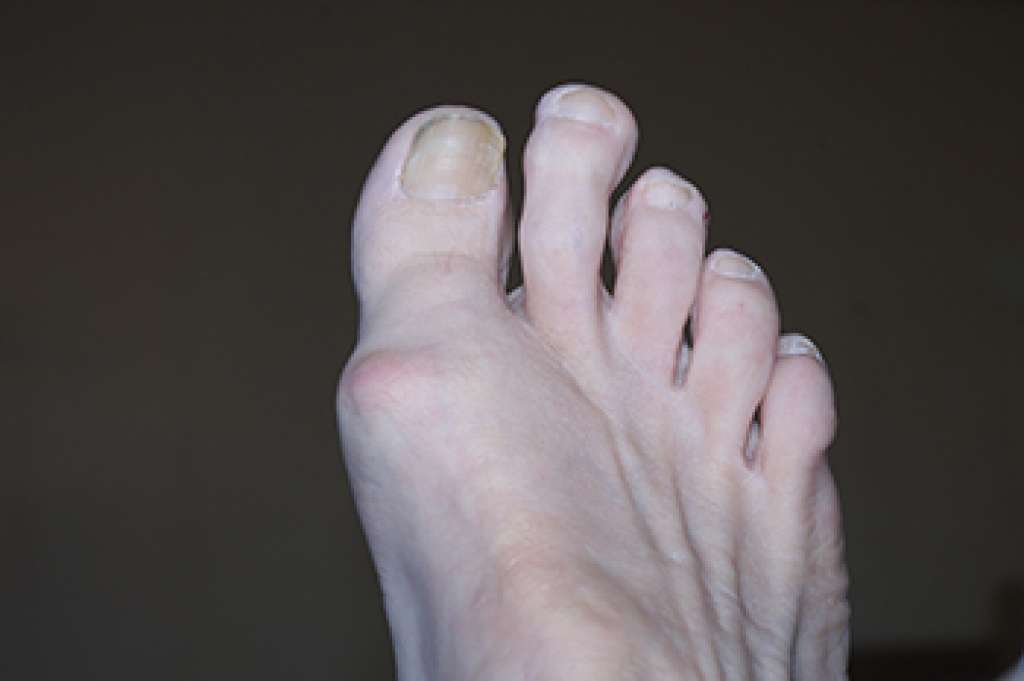
Foot pain can develop from many sources within the feet, toes, and ankles, and understanding these causes can help people seek care before symptoms worsen. Strain on the heel or arch is often linked to plantar fasciitis, which involves irritation of the band of tissue along the underside of the foot. Pressure under the big toe joint can lead to sesamoiditis, which is inflammation and pain of the small sesamoid bones beneath the big toe joint, while friction from shoes with inadequate support can contribute to corns and calluses. Foot structure also plays a role, as flat feet or very high arches can change the way weight is distributed and lead to prolonged soreness. Problems like bunions, ingrown toenails, and warts can also lead to discomfort. A podiatrist can evaluate foot mechanics, provide in-office care, and recommend the best path toward relief, including surgery if necessary. If you are experiencing any of the above symptoms, it is suggested that you make an appointment with a podiatrist for a diagnosis and the appropriate treatment.

Foot Pain

Foot pain can be extremely painful and debilitating. If you have a foot pain, consult with one of our doctors from Godoy Foot and Ankle Center. Our doctors will assess your condition and provide you with quality foot and ankle treatment.

Causes

Foot pain is a very broad condition that could be caused by one or more ailments. The most common include:

  • Bunions
  • Hammertoes
  • Plantar Fasciitis
  • Bone Spurs
  • Corns
  • Tarsal Tunnel Syndrome
  • Ingrown Toenails
  • Arthritis (such as Gout, Rheumatoid, and Osteoarthritis)
  • Flat Feet
  • Injury (from stress fractures, broken toe, foot, ankle, Achilles tendon ruptures, and sprains)
  • And more

Diagnosis

To figure out the cause of foot pain, podiatrists utilize several different methods. This can range from simple visual inspections and sensation tests to X-rays and MRI scans. Prior medical history, family medical history, and any recent physical traumatic events will all be taken into consideration for a proper diagnosis.

Treatment

Treatment depends upon the cause of the foot pain. Whether it is resting, staying off the foot, or having surgery; podiatrists have a number of treatment options available for foot pain.

If you have any questions, please feel free to contact our office located in Wayne, NJ . We offer the newest diagnostic and treatment technologies for all your foot care needs.

Read more about Foot Pain

Foot Blisters and Hiking

A foot blister is a small fluid-filled pocket that forms when friction irritates the skin. During hiking, blisters often occur because long distances, uneven terrain, and moisture create repeated rubbing between the skin, socks, and shoes. Heat and pressure build up, leading to painful bubble like lesions. Prevention starts with wearing properly fitted footwear, moisture wicking socks, and keeping your feet dry and protected during activity. A podiatrist can assess recurring blisters, address underlying foot mechanics, recommend supportive gear, and treat infection or other complications. If you are dealing with persistent foot blisters that interfere with your activities, it is suggested that you schedule an appointment with a podiatrist to receive safe and sterile care and effective prevention tips.

Blisters are prone to making everyday activities extremely uncomfortable. If your feet are hurting, contact one of our doctors of Godoy Foot and Ankle Center. Our doctors can provide the care you need to keep you pain-free and on your feet.

Foot Blisters

Foot blisters develop as a result of constantly wearing tight or ill-fitting footwear. This happens due to the constant rubbing from the shoe, which can often lead to pain.

What Are Foot Blisters?

A foot blister is a small fluid-filled pocket that forms on the upper-most layer of the skin. Blisters are filled with clear fluid and can lead to blood drainage or pus if the area becomes infected.

How Do Blisters Form?

Blisters on the feet are often the result of constant friction of skin and material, usually by shoe rubbing. Walking in sandals, boots, or shoes that don’t fit properly for long periods of time can result in a blister. Having consistent foot moisture and humidity can easily lead to blister formation.

Prevention & Treatment

It is important to properly care for the affected area in order to prevent infection and ease the pain. Do not lance the blister and use a Band-Aid to provide pain relief. Also, be sure to keep your feet dry and wear proper fitting shoes. If you see blood or pus in a blister, seek assistance from a podiatrist.

If you have any questions, please feel free to contact our office located in Wayne, NJ . We offer the newest diagnostic and treatment technologies for all your foot care needs.

Read more about Blisters on the Feet

A Podiatrist’s Role in Relieving Ankle Pain

Ankle pain is discomfort that affects the joint connecting the foot and lower leg, an area that supports movement of the toes and calves while allowing stability during daily activities. Symptoms can include swelling, tenderness, changes in gait, deformity of the ankle, difficulty moving the ankle or toes, and an inability to bear weight. These issues may come from injury, arthritis, or structural problems. A podiatrist can evaluate the joint, provide a precise diagnosis, offer treatments that improve mobility, reduce pain, and prevent further injury. If you have ankle pain, it is suggested that you seek expert podiatric care to restore comfort and function, beginning your path to relief.

Ankle pain can have many different causes and the pain may potentially be serious. If you have ankle pain, consult with one of our doctors from Godoy Foot and Ankle Center. Our doctors will assess your condition and provide you with quality foot and ankle treatment.

Ankle pain is any condition that causes pain in the ankle. Due to the fact that the ankle consists of tendons, muscles, bones, and ligaments, ankle pain can come from a number of different conditions.

Causes

The most common causes of ankle pain include:

  • Types of arthritis (rheumatoid, osteoarthritis, and gout)
  • Ankle sprains
  • Broken ankles
  • Achilles tendinitis
  • Achilles tendon rupture
  • Stress fractures
  • Tarsal tunnel syndrome
  • Plantar fasciitis

Symptoms

Symptoms of ankle injury vary based upon the condition. Pain may include general pain and discomfort, swelling, aching, redness, bruising, burning or stabbing sensations, and/or loss of sensation.

Diagnosis

Due to the wide variety of potential causes of ankle pain, podiatrists will utilize a number of different methods to properly diagnose ankle pain. This can include asking for personal and family medical histories and of any recent injuries. Further diagnosis may include sensation tests, a physical examination, and potentially x-rays or other imaging tests.

Treatment

Just as the range of causes varies widely, so do treatments. Some more common treatments are rest, ice packs, keeping pressure off the foot, orthotics and braces, medication for inflammation and pain, and surgery.

If you have any questions please feel free to contact our office located in Wayne, NJ . We offer the newest diagnostic tools and technology to treat your foot and ankle needs.

Read more about Ankle Pain

Recognizing Complications of Plantar Fasciitis

Plantar fasciitis often begins with a sharp heel pain that is strongest during the first steps of the day, but ignoring these early symptoms can lead to further complications. When the fascia, the band of fibrous tissue in the sole of the foot running from the heel to the toes, remains irritated over time, the body may respond by developing a heel spur, which can add to discomfort while standing and walking. People may also change the way they move to avoid pain, placing extra stress on the ankles, knees, hips, or back. This shift can create new areas of soreness and make daily activities feel more difficult. Chronic inflammation may develop as well, making the heel tender even with mild activity. Early care can prevent these issues. A podiatrist can confirm the diagnosis, provide targeted treatment, and guide recovery before complications progress. If your heel pain is becoming more persistent or affecting movement, it is suggested that you see a podiatrist for proper care.

Plantar fasciitis can be very painful and inconvenient. If you are experiencing heel pain or symptoms of plantar fasciitis, contact one of our doctors  from Godoy Foot and Ankle Center. Our doctors can provide the care you need to keep you pain-free and on your feet.

What Is Plantar Fasciitis?

Plantar fasciitis is the inflammation of the thick band of tissue that runs along the bottom of your foot, known as the plantar fascia, and causes mild to severe heel pain.

What Causes Plantar Fasciitis?

  • Excessive running
  • Non-supportive shoes
  • Overpronation
  • Repeated stretching and tearing of the plantar fascia

How Can It Be Treated?

  • Conservative measures – anti-inflammatories, ice packs, stretching exercises, physical therapy, orthotic devices
  • Shockwave therapy – sound waves are sent to the affected area to facilitate healing and are usually used for chronic cases of plantar fasciitis
  • Surgery – usually only used as a last resort when all else fails. The plantar fascia can be surgically detached from the heel

While very treatable, plantar fasciitis is definitely not something that should be ignored. Especially in severe cases, speaking to your doctor right away is highly recommended to avoid complications and severe heel pain. Your podiatrist can work with you to provide the appropriate treatment options tailored to your condition.

If you have any questions, please feel free to contact our office located in Wayne, NJ . We offer the newest diagnostic and treatment technologies for all your foot care needs.

Read more about Plantar Fasciitis

Are You Suffering From Nerve Damage?

Neuropathy is a condition that can lead to numbness or loss of sensation in the feet, but it can also cause pain. This condition is more likely to develop for those who are diabetic, obese, or with high blood pressure.

scroll to top