Like us on facebook
Follow us on Twitter
Follow us on instagram
review us on google

Recognizing Complications of Plantar Fasciitis

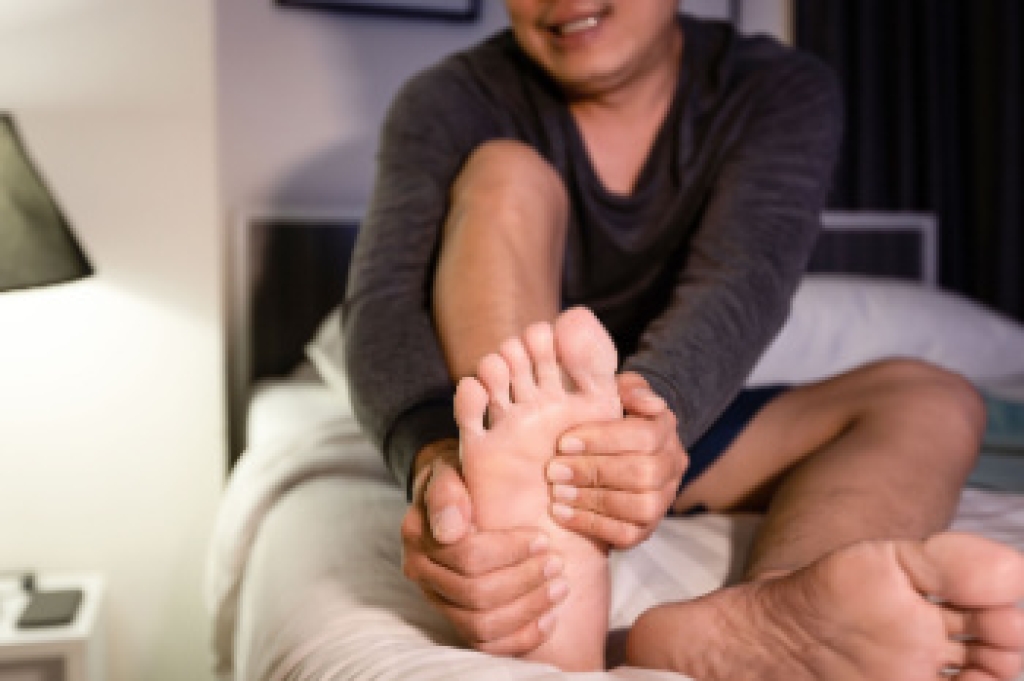
Plantar fasciitis often begins with a sharp heel pain that is strongest during the first steps of the day, but ignoring these early symptoms can lead to further complications. When the fascia, the band of fibrous tissue in the sole of the foot running from the heel to the toes, remains irritated over time, the body may respond by developing a heel spur, which can add to discomfort while standing and walking. People may also change the way they move to avoid pain, placing extra stress on the ankles, knees, hips, or back. This shift can create new areas of soreness and make daily activities feel more difficult. Chronic inflammation may develop as well, making the heel tender even with mild activity. Early care can prevent these issues. A podiatrist can confirm the diagnosis, provide targeted treatment, and guide recovery before complications progress. If your heel pain is becoming more persistent or affecting movement, it is suggested that you see a podiatrist for proper care.

Plantar fasciitis can be very painful and inconvenient. If you are experiencing heel pain or symptoms of plantar fasciitis, contact one of our doctors  from Godoy Foot and Ankle Center. Our doctors can provide the care you need to keep you pain-free and on your feet.

What Is Plantar Fasciitis?

Plantar fasciitis is the inflammation of the thick band of tissue that runs along the bottom of your foot, known as the plantar fascia, and causes mild to severe heel pain.

What Causes Plantar Fasciitis?

  • Excessive running
  • Non-supportive shoes
  • Overpronation
  • Repeated stretching and tearing of the plantar fascia

How Can It Be Treated?

  • Conservative measures – anti-inflammatories, ice packs, stretching exercises, physical therapy, orthotic devices
  • Shockwave therapy – sound waves are sent to the affected area to facilitate healing and are usually used for chronic cases of plantar fasciitis
  • Surgery – usually only used as a last resort when all else fails. The plantar fascia can be surgically detached from the heel

While very treatable, plantar fasciitis is definitely not something that should be ignored. Especially in severe cases, speaking to your doctor right away is highly recommended to avoid complications and severe heel pain. Your podiatrist can work with you to provide the appropriate treatment options tailored to your condition.

If you have any questions, please feel free to contact our office located in Wayne, NJ . We offer the newest diagnostic and treatment technologies for all your foot care needs.

Read more about Plantar Fasciitis

Are You Suffering From Nerve Damage?

Neuropathy is a condition that can lead to numbness or loss of sensation in the feet, but it can also cause pain. This condition is more likely to develop for those who are diabetic, obese, or with high blood pressure.

Severs Disease in Growing Children

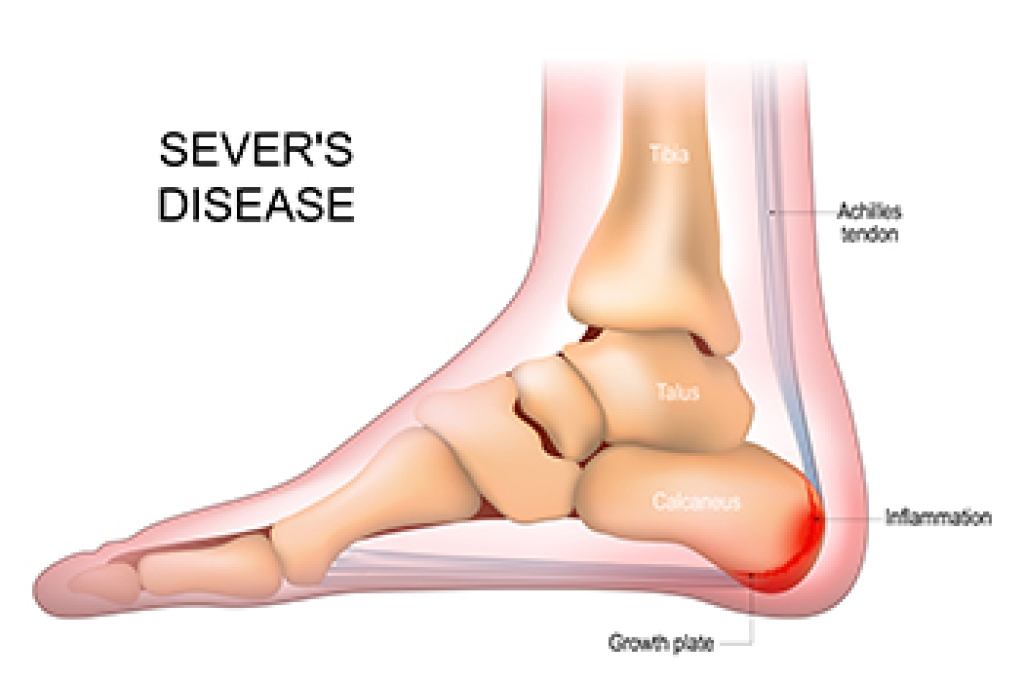
Severs disease is a common cause of heel pain in growing children and occurs when the growth plate at the back of the heel becomes irritated. This condition often develops during growth spurts, and is considered an overuse injury rather than a true disease. Risk factors include high impact sports, tight calf muscles, wearing improper footwear, and rapid physical development. Children may experience heel soreness, swelling, stiffness, or discomfort during activity. A podiatrist can provide guidance through proper evaluation, supportive shoe gear, custom orthotics, and stretching plans to reduce strain on the heel. Early care helps children stay active without unnecessary pain. If your active child has heel pain, it is suggested that you consult a podiatrist who can offer effective relief tips.

Sever's disease often occurs in children and teens. If your child is experiencing foot or ankle pain, see one of our doctors from Godoy Foot and Ankle Center. Our doctors can treat your child’s foot and ankle needs.

Sever’s Disease

Sever’s disease is also known as calcaneal apophysitis, which is a medical condition that causes heel pain I none or both feet. The disease is known to affect children between the ages of 8 and 14.

Sever’s disease occurs when part of the child’s heel known as the growth plate (calcaneal epiphysis) is attached to the Achilles tendon. This area can suffer injury when the muscles and tendons of the growing foot do not keep pace with bone growth. Therefore, the constant pain which one experiences at the back of the heel will make the child unable to put any weight on the heel. The child is then forced to walk on their toes.

Symptoms

Acute pain – Pain associated with Sever’s disease is usually felt in the heel when the child engages in physical activity such as walking, jumping and or running.

Highly active – Children who are very active are among the most susceptible in experiencing Sever’s disease, because of the stress and tension placed on their feet.

If you have any questions, please feel free to contact our office located in Wayne, NJ . We offer the newest diagnostic and treatment technologies for all your foot care needs.

Read more about Sever's Disease

Preventing Falls in the Workplace

Workplace falls are a common cause of injury and can result from damaged ladders, slippery conditions, unmarked elevation changes, or leaning over guardrails. These accidents can lead to serious foot injuries such as sprains, fractures, or chronic pain that affect mobility and work performance. Prevention begins with choosing the right ladder for the job, using hazard warning signs, and keeping flooring clean and in good condition. A podiatrist can help treat foot injuries sustained from falls through diagnostic imaging, proper care, and targeted exercises to restore strength and stability. If you have experienced a fall affecting your lower extremities, or have lingering foot pain, it is suggested that you consult a podiatrist for a comprehensive evaluation and treatment to ensure a safe and healthy recovery.

Preventing falls among the elderly is very important. If you are older and have fallen or fear that you are prone to falling, consult with one of our doctors from Godoy Foot and Ankle Center. Our doctors will assess your condition and provide you with quality advice and care.

Every 11 seconds, an elderly American is being treated in an emergency room for a fall related injury. Falls are the leading cause of head and hip injuries for those 65 and older. Due to decreases in strength, balance, senses, and lack of awareness, elderly persons are very susceptible to falling. Thankfully, there are a number of things older persons can do to prevent falls.

How to Prevent Falls

Some effective methods that older persons can do to prevent falls include:

  • Enrolling in strength and balance exercise program to increase balance and strength
  • Periodically having your sight and hearing checked
  • Discuss any medications you have with a doctor to see if it increases the risk of falling
  • Clearing the house of falling hazards and installing devices like grab bars and railings
  • Utilizing a walker or cane
  • Wearing shoes that provide good support and cushioning
  • Talking to family members about falling and increasing awareness

Falling can be a traumatic and embarrassing experience for elderly persons; this can make them less willing to leave the house, and less willing to talk to someone about their fears of falling. Doing such things, however, will increase the likelihood of tripping or losing one’s balance. Knowing the causes of falling and how to prevent them is the best way to mitigate the risk of serious injury.  

If you have any questions, please feel free to contact our office located in Wayne, NJ . We offer the newest diagnostic and treatment technologies for all your foot care needs.
Read more about Falls Prevention

Understanding Flat Feet

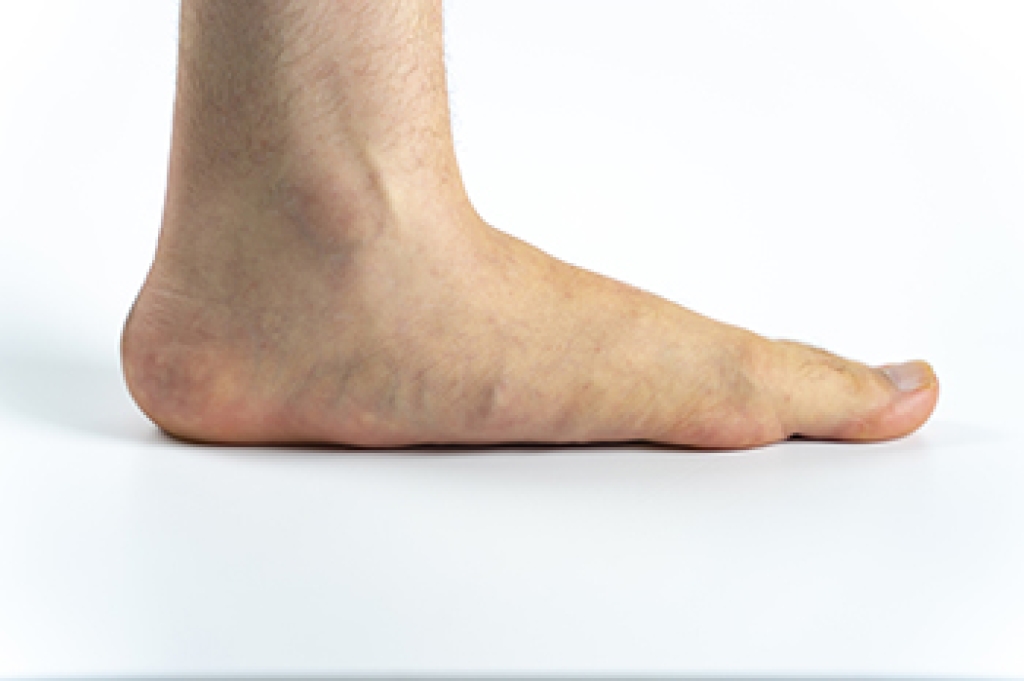
Flat feet occur when the medial longitudinal arch of the foot collapses, causing it to contact or nearly contact the ground. This condition can be present from birth or develop over time. Causes include aging, injury, obesity, or medical conditions that weaken the tendons and ligaments supporting the arch. Some individuals experience no discomfort, while others may have pain, swelling, or fatigue in the feet, ankles, or legs. A podiatrist can evaluate foot structure, identify the underlying cause, and recommend treatment custom orthotics, supportive footwear, and targeted exercises to improve alignment and relieve pain. If you have pain from flat feet, it is suggested that you consult a podiatrist who can offer you effective relief and management tips.

Flatfoot is a condition many people suffer from. If you have flat feet, contact one of our doctors from Godoy Foot and Ankle Center. Our doctors will treat your foot and ankle needs.

What Are Flat Feet?

Flatfoot is a condition in which the arch of the foot is depressed and the sole of the foot is almost completely in contact with the ground. About 20-30% of the population generally has flat feet because their arches never formed during growth.

Conditions & Problems:

Having flat feet makes it difficult to run or walk because of the stress placed on the ankles.

Alignment – The general alignment of your legs can be disrupted, because the ankles move inward which can cause major discomfort.

Knees – If you have complications with your knees, flat feet can be a contributor to arthritis in that area.  

Symptoms

  • Pain around the heel or arch area
  • Trouble standing on the tip toe
  • Swelling around the inside of the ankle
  • Flat look to one or both feet
  • Having your shoes feel uneven when worn

Treatment

If you are experiencing pain and stress on the foot you may weaken the posterior tibial tendon, which runs around the inside of the ankle. 

If you have any questions, please feel free to contact our office located in Wayne, NJ . We offer the newest diagnostic and treatment technologies for all your foot care needs.
Read more about What is Flexible Flat Foot?

Why Your Toenail Is Turning Black

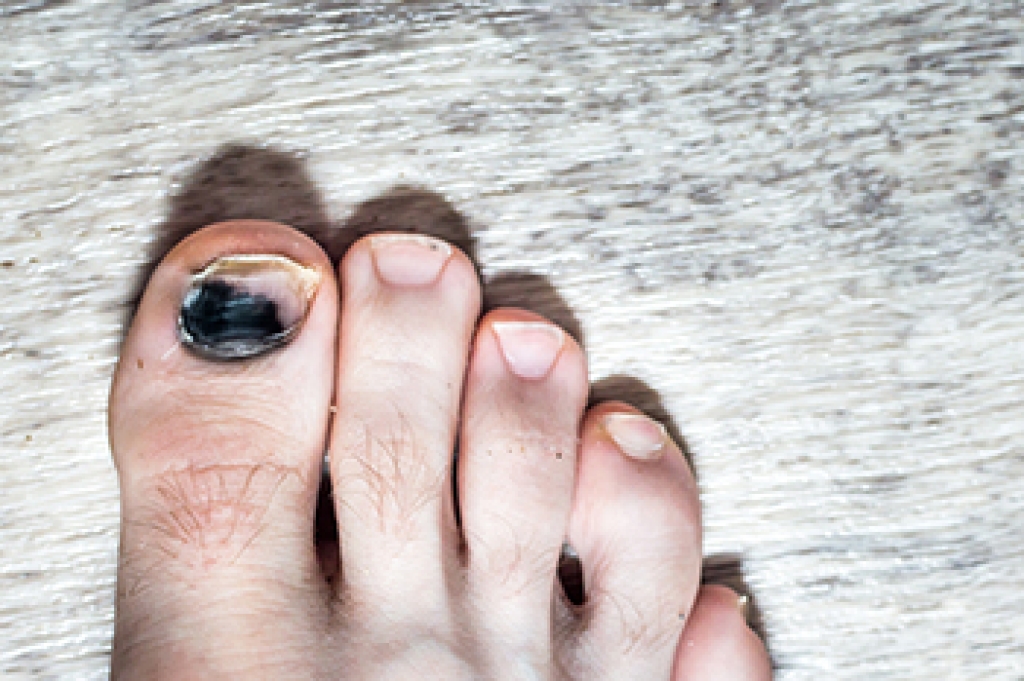
Toenails can turn black for a number of reasons, including injury as well as more serious health concerns. Repetitive pressure from shoes that do not fit correctly can cause bleeding beneath the nail, which looks black. A single blunt injury, such as dropping something heavy on the toe, may also lead to black discoloration. Infections, especially fungal infections, can cause debris buildup that darkens the nail. Pigmentation changes and certain medical conditions, like diabetes, kidney disease, or heart disease, may also affect nail color. In rare cases, a black toenail may be linked to melanoma, a serious form of skin cancer that can appear beneath the nail bed. A podiatrist can determine the source, recommend treatment, and address underlying problems that may be affecting the toes. If you have a discolored toenail, it is suggested that you schedule an appointment with a podiatrist for an exam and appropriate treatment.

Toe pain can disrupt your daily activities. If you have any concerns, contact one of our doctors of Godoy Foot and Ankle Center. Our doctors can provide the care you need to keep you pain-free and on your feet.

What Causes Toe Pain?

Most severe toe pain is caused due to a sports injury, trauma from dropping something heavy on the toe, or bumping into something rigid. Other problems can develop over time for various reasons.

Toe pain can be caused by one or more ailments. The most common include:

  • Trauma
  • Sports injury
  • Wearing shoes that are too tight
  • Arthritis
  • Gout
  • Corns and calluses
  • Hammertoe
  • Bunions
  • Blisters
  • Ingrown toenails
  • Sprains
  • Fractures (broken bones)
  • Dislocations

When to See a Podiatrist

  • Severe pain
  • Persistent pain that lasts more than a week
  • Signs of infection
  • Continued swelling
  • Pain that prevents walking

Diagnosis

In many cases the cause of toe pain is obvious, but in others, a podiatrist may want to use more advanced methods to determine the problem. These can range from simple visual inspections and sensation tests to X-rays and MRI scans. Prior medical history, family medical history, and any recent physical traumatic events will all be taken into consideration for a proper diagnosis.

Treatment

Treatments for toe pain and injuries vary and may include shoe inserts, padding, taping, medicines, injections, and in some cases, surgery. If you believe that you have broken a toe, please see a podiatrist as soon as possible.

If you have any questions please contact our office located in Wayne, NJ . We offer the newest diagnostic and treatment technologies for all your foot and ankle needs.

Read more about Toe Pain

Building Strong Foundations for Lifelong Foot Health

Healthy feet are essential for maintaining mobility, balance, and independence at every age. Daily habits such as washing and drying feet thoroughly, moisturizing to prevent cracking, and trimming toenails straight across can help prevent common problems. Choosing supportive shoes that fit properly is one of the most important steps in avoiding pain, blisters, or deformities. Regular stretching and staying active promote good circulation and flexibility, keeping muscles and joints strong. Ignoring minor foot issues can lead to bigger problems over time, especially for people with diabetes, arthritis, or circulation concerns. Checking feet regularly for changes in color, swelling, or sores can catch issues early. If pain, numbness, or skin changes persist, it is suggested that you see a podiatrist for evaluation and appropriate care.

Everyday foot care is very important to prevent infection and other foot ailments. If you need your feet checked, contact one of our doctors from Godoy Foot and Ankle Center. Our doctors can provide the care you need to keep you pain-free and on your feet.

Everyday Foot Care

Often, people take care of their bodies, face and hair more so than they do for their feet. But the feet are a very important aspect of our bodies, and one that we should pay more attention to. Without our feet, we would not be able to perform most daily tasks.

It is best to check your feet regularly to make sure there are no new bruises or cuts that you may not have noticed before. For dry feet, moisturizer can easily be a remedy and can be applied as often as necessary to the affected areas. Wearing shoes that fit well can also help you maintain good foot health, as well as making it easier to walk and do daily activities without the stress or pain of ill-fitting shoes, high heels, or even flip flops. Wearing clean socks with closed shoes is important to ensure that sweat and bacteria do not accumulate within the shoe. Clean socks help to prevent Athlete’s foot, fungi problems, bad odors, and can absorb sweat.

If you have any questions, please feel free to contact our office located in Wayne, NJ . We offer the newest diagnostic and treatment technologies for all your foot care needs.
Read more about Every Day Foot Care

Plantar Warts Can Be Treated!

Plantar warts are small growths that develop on parts of the feet that bear weight. They're typically found on the bottom of the foot. Don't live with plantar warts, and call us today!

Understanding Gout and Its Impact on Your Feet

Gout is a type of inflammatory arthritis caused by a buildup of uric acid crystals in the joints, commonly affecting the big toe, but also other parts of the foot and ankle. Symptoms include sudden, severe pain, redness, swelling, and warmth surrounding the affected joint. Attacks often occur at night and can last for several days, making walking and wearing shoes uncomfortable. Causes of gout include genetics, a diet high in purines, obesity, certain medications, and underlying health conditions like kidney disease. Visually, the affected joint may appear swollen and red, and the pain is often described as intense and throbbing. A podiatrist can diagnose gout through a physical examination, patient history, and blood tests to measure uric acid levels. Treatment includes medication to reduce inflammation and pain, lifestyle modifications, dietary changes, and, in some cases, joint drainage. To manage symptoms and prevent flare-ups, it is suggested that you schedule an appointment with a podiatrist.

Gout is a painful condition that can be treated. If you are seeking treatment, contact one of our doctors from Godoy Foot and Ankle Center. Our doctors will treat your foot and ankle needs.

What Is Gout?

Gout is a form of arthritis that is characterized by sudden, severe attacks of pain, redness, and tenderness in the joints. The condition usually affects the joint at the base of the big toe. A gout attack can occur at any random time, such as the middle of the night while you are asleep.

Symptoms

  • Intense Joint Pain - Usually around the large joint of your big toe, and it most severe within the first four to twelve hours
  • Lingering Discomfort - Joint discomfort may last from a few days to a few weeks
  • Inflammation and Redness -Affected joints may become swollen, tender, warm and red
  • Limited Range of Motion - May experience a decrease in joint mobility

Risk Factors

  • Genetics - If family members have gout, you’re more likely to have it
  • Medications - Diuretic medications can raise uric acid levels
  • Gender/Age - Gout is more common in men until the age of 60. It is believed that estrogen protects women until that point
  • Diet - Eating red meat and shellfish increases your risk
  • Alcohol - Having more than two alcoholic drinks per day increases your risk
  • Obesity - Obese people are at a higher risk for gout

Prior to visiting your podiatrist to receive treatment for gout, there are a few things you should do beforehand. If you have gout you should write down your symptoms--including when they started and how often you experience them, important medical information you may have, and any questions you may have. Writing down these three things will help your podiatrist in assessing your specific situation so that he or she may provide the best route of treatment for you.

If you have any questions, please feel free to contact our office located in Wayne, NJ . We offer the newest diagnostic and treatment technologies for all your foot care needs.

Read more about Gout

Recovery After Bunion Surgery

Bunion surgery is performed to correct the bony bump that develops at the base of the big toe. After the procedure, it is normal to experience some swelling, soreness, and limited movement in the foot. Patients are often advised to wear a special shoe or boot to protect the area and keep weight off the toe as it heals. Elevating the foot and following the podiatrist’s instructions can make recovery smoother. Healing times vary depending on the type of surgery performed and the individual’s overall health, but many people return to normal activities within a few weeks to a few months. Targeted exercises may be recommended to restore strength and flexibility in the toe. With proper care and guidance, bunion surgery can relieve pain and improve mobility. If you are considering bunion surgery, it is suggested that you consult a podiatrist to discuss your options.

Foot surgery is sometimes necessary to treat a foot ailment. To learn more, contact one of our doctors of Godoy Foot and Ankle Center. Our doctors will assist you with all of your foot and ankle needs.

When Is Surgery Necessary?

Foot and ankle surgery is generally reserved for cases in which less invasive, conservative procedures have failed to alleviate the problem. Some of the cases in which surgery may be necessary include:

  • Removing foot deformities like bunions and bone spurs
  • Severe arthritis that has caused bone issues
  • Cosmetic reconstruction

What Types of Surgery Are There?

The type of surgery you receive will depend on the nature of the problem you have. Some of the possible surgeries include:

  • Bunionectomy for painful bunions
  • Surgical fusion for realignment of bones
  • Neuropathy decompression surgery to treat nerve damage

Benefits of Surgery

Although surgery is usually a last resort, it can provide more complete pain relief compared to non-surgical methods and may allow you to finally resume full activity.

Surgical techniques have also become increasingly sophisticated. Techniques like endoscopic surgery allow for smaller incisions and faster recovery times.

If you have any questions, please feel free to contact our office located in Wayne, NJ . We offer the newest diagnostic and treatment technologies for all your foot care needs.
Read more about Foot and Ankle Surgery
scroll to top